נכתב ע"י פרופ' לוין וד"ר סלגניק
המקרה של שלומית…
המטופלים שלנו הם לא פעם המורים שלנו להבנת העולמות הפנימיים הקשורים בחולי ובפסיכופתולוגיה.
כך "המעבדה" לפיתוח השיטה התיאורטית ל RGFT הייתה חדר הטיפול או בעצם מהלך הטיפולים ותוכנם.
כך, מחד לקורות את מטופל מסוים פוטנציאל ללמדנו אודות התפתחותה של מחלה או מצב נפשי מסויים ואף דרכים להתמודד עימם, ומהצד השני, למטפל יש לא פעם מחשבה או רעיון כיצד להתמודד עם הקורות עם מטופליו והוא בודק את יישומו עם מטופליו בעיקר בקליניקה אך גם במסגרת מחלקות של בית החולים הפסיכיאטרי.
כך למשל [TRIGGER EVENT ANALYSIS] TEA [אנליזת הטריגרים או האירועים התורמים לפריצת מצב חולי או פסיכופתולוגיה נפשיים] פותח בעקבות סיפורו של מטופל במחלקה הפסיכוגריאטרית, מהנדס נפה שמות ביתו שנהרגה לא השפיע עליו כמו ביקורת בעבודה והעברתו לתפקיד רוחבי ללא שינוי תנאיו בעבודה. אירוע אחרון זה נתפס על ידו כהשפלה נוראית והוא ניסיון אובדני בקפיצה מקומה גבוהה, דבר המלמד על היחסיות של טראומות ולא עולה בקנה אחד עם הסקלה המקובלת המכונה STRESS INVENTORY של HOLMES & RAHE .
חולה זה אפוא הדגים כי לסטרסורים [גורמי לחץ] משמעות אינדיבידואלית ולא כללית כפי שהיה מקובל.
ברצוננו להביא הפעם טיפול ארוך בו לוותה חולה ביפולרית או מנית דפרסיבית [שתכונה האן שלומית] על ידי אחד מאיתנו [י.ל.] כשני עשורים.
בטיפול נידונו נושאים רבים כולל טיפול תרופתי. אך כאן נתמקד בהיבט אחד והוא הטיפול בדמיון מודרך.
מטופלת זו טופלה קודם לכן בטיפול אנליטי, בבואה לטיפול ביקשה להיות מטופלת בדמיון מודרך אך בלא הכוונה מצד המטפל [בעצם כאן ההדרכה של הדמיון על ידי המטפל הייתה מינימלית].
תחילה נאמר לה באיטיות ובהדרגה לעצום את עיניה ולתת לאברי הגוף להיות רפויים.
ולאחר מכן המשפט "תני לדמיון להוביל אותך או את אותו כרצונך ואני [המטפל] אספור באיטיות עד 30.
קרא עוד »
נכתב ע"י פרופ' לוין וד"ר סלגניק
Good day!
Here we will refer to three different types of treatments that have similarities with RGFT and we will examine the differences between them.
The first of these is the theory and method of treatment proposed by Roberto Assagioli.
Roberto Assagioli was an Italian psychoanalyst who was influenced by both Freud and Jung in creating the theory and treatment method that he called "psychosynthesis."

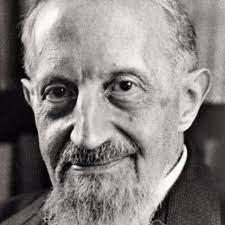
Roberto Assagioli
Assagioli expanded the teaching founded by Freud through the expansion of the unconscious so that it could include the collective unconscious and the archetypes.
As he himself stated: “We pay far more attention to the higher unconscious and to the development of the transpersonal self. In one of his letters Freud said, “I am interested only in the basement of the human being.” Psychosynthesis is interested in the whole building. We try to build an elevator which will allow a person access to every level of his personality. After all, a building with only a basement is very limited. We want to open up the terrace where you can sun-bathe or look at the stars. Our concern is the synthesis of all areas of the personality. That means Psychosynthesis is holistic, global and inclusive”.
The 7 core concepts of psychosynthesis are:
- disidentification
- the personal self
- the will
- the ideal model
- synthesis
- the superconscious
- the transpesonal Self
Beside “disidentification”, all these concepts can be in this or other way derived from the well known Freudian and Jungian postulates.
We cite Assagioli here because some of his theoretical elaborations sound similar to RGFT and therefore demand clarifications. Specifically, he spoke of “sub-personality” (the same term is used in earlier mentioned by us “Voice dialogue”). This concept resembles in some way a concept of the “secondary self” in RGFT. But, as in the “Voice dialogue”, it represents more a partial “feature” of a person (architypal or otherwise originated) and not a personally significant character that could be traced in the person’s history as in RGFT. Still, the concept of disidentification is identical to that in RGFT and serves analogous purpose – it reveals the true nature of our identity with a specific attitude or behavior and allows us to extend our consious choices. Finally, the key concepts of Assagioli root in some part in the spiritual world, whereas RGFT is based mostly on the theoretical constructs of social psychology.
קרא עוד »
נכתב ע"י פרופ' לוין וד"ר סלגניק
כאן נתייחס לשלשה סוגי טיפולים שונים שיש להם קווי דמיון עם RGFT ונעמוד על המבדיל ביניהם.
הראשון ביניהם הוא התיאוריה ושיטת הטיפול שהוצעה על ידי אסג'יולי [ Roberto Assagioli ].
רוברטו אסג'יולי היה פסיכואנליטיקאי איטלקי שהושפע הן מפרויד והן מיונג ביצירת התיאוריה ושיטת הטיפול שכינה "פסיכוסינתזה".
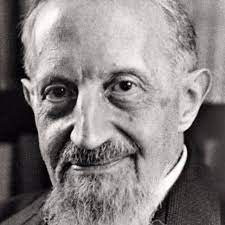
רוברטו אסג'יולי
אסג'יולי הרחיב את המסד שהניח פרויד ואת הרחבת הלא מודע כך שיוכל לכלול את הלא מודע הקולקטיבי והארכיטיפים הגלומים בו.
כפי שהוא עצמו הצהיר: "אנו מקדישים תשומת לב רבה יותר ללא מודע הגבוה יותר ולהתפתחות העצמי הטרנס-פרסונלי. פרויד הוא מציין, כתב באחד ממכתביו ,"אני מתעניין רק במרתפו של האדם". "פסיכוסינתזה" מציין אסגיולי מתעניינת "בכל הבניין… בגישה זו אנחנו מנסים לבנות מעלית שתאפשר לאדם גישה לכל רמה באישיותו…אחרי הכל, בניין עם מרתף בלבד מוגבל מאוד. אנחנו רוצים לפתוח את המרפסת שבה תוכלו לטבול באור השמש או להתבונן בכוכבים. המטרה שלנו היא ליצור סינתזה של כל תחומי האישיות כולל החלק הרוחני. דבר האומר שפסיכוסינתזה היא הוליסטית, גלובלית ומכילה".
אנו מזכירים כאן את אסג'יולי משום שחלק מההרחבות התיאורטיות שלו נשמעות דומות ל-RGFT ועל כן דורשות הבהרות. באופן ספציפי, אסג'יולי דיבר על "תת-אישיות" (מונח שהוזכר על ידינו בשיחה הקודמת אודות "דיאלוג קולי"). מושג זה דומה בדרך כלשהי למושג של "העצמי המשני" ב- RGFT. אבל, כמו ב"דיאלוג הקולי ", הוא מייצג יותר "תכונה" חלקית של האדם (ארכיטיפית או אחרת) ולא דמות משמעותית שניתן לעקוב אחריה דמות עם היסטוריה אישית כמו ב- RGFT.. לבסוף, מושגי המפתח של אסג'יולי מושרשים בחלקם בעולם הרוחני, בעוד ש- RGFT מבוסס בעיקר על המבנים התיאורטיים של הפסיכולוגיה החברתית.
קרא עוד »
נכתב ע"י פרופ' לוין וד"ר סלגניק
Hello, this time we will discuss what is between the Jungian treatment and RGFT.
An archetype is a prototype of an idea, an object that stays at the bottom of human memory, as a kind of model or template for images originating from the very early stages of human kind.

Carl Jung
In his book “Man and His Symbols”, psychiatrist Carl Jung explains that archetypes "are the pieces of life themselves – images that are integrally connected to the person living by the bridge of emotions." While we tend to think of our consciousness in a uniform sense of self (or of me), a careful examination of consciousness may show that instead of consciousness being perceived as a unit, it may be a pantheon of archetypal figures existing in our minds.
“Archetypes,” writes psychologist Marie-Louise von Franz in her “Archetypal Dimensions of the Psyche”, are “hereditary tendencies that cause us to respond typically to basic, internal, or external human problems”.
“Archetypes”, she claims, “affect everything a person thinks, feels and does. Therefore, when dealing with archetypes, think of fixed patterns of behavior common to all of humanity”.

Marie-Louise von Franz
Among the common archetypes can be found those of the ‘hero, warrior, teacher, mother, child’, and more. The archetypes appear in a variety of forms, including figures in mythology, art in religion in stories, symbols, and rituals and various myths.
Psychologist Carl Gustav Jung (early 20th century) saw the archetype as a human mental pattern that manifested itself in broad areas.
According to Jung's analytical theory, there are a number of key archetypes:
‘Ego’ – the archetype of adaptation to reality and the source of identity.
The ‘shadow’ – the inferior and undesirable side of our personality, which we are not willing to admit exists. The "dark part", which inhabits the primitive passions and emotions that exist in us.
The ‘persona’ – the mask we wear in accordance with the requirements of the environment and society. The social personality, which hides the "true self" -.
‘Anima’ – the feminine element found in men.
The ‘animus’ – the masculine element in women.
The ‘self’- which gives the personality uniformity, balance and stability.
Other archetypes are:
Ego – the archetype of adaptation to reality and the source of identity.
The shadow – the inferior and undesirable side of our personality, which we are not willing to admit exists. The "dark part", which inhabits the primitive passions and emotions that exist in us.
The persona – the mask we wear in accordance with the requirements of the environment and society. The social personality, which hides the "true self" -.
Anime – the feminine element found in men.
The animus – the masculine element in women ,.
The self – which gives the personality uniformity, balance and stability.
Other archetypes are: ‘mother figure, child, God, mother earth, hero, old man, sage, monk, manipulator, caregiver, king, queen, mentor, prostitute, tyrant’ and more.
Here are two comments in the context of Jungian theory
A] According to Eric Goodwyn, since Jung assumed that the archetype was an a priori structure, previously formed structures within the psyche, he was constantly accused of "marcionism". Recently, with the advent of genetic research and the human genome project, the idea that psychological structures can be innate has come under even more harsh criticism in Jungian thought. There seems to be a growing consensus today that Jung's idea of innate psychological structures was wrong, and that perhaps the archetype as such should be abandoned in favor of more developmental theories of the mind.

Erik Goodwyn
Erik Goodwyn. Approaching archetypes: reconsidering innateness. 2010 Sep;55(4):502-2. J Anal Psychol.
B] The concept of Dialogical Self [DS] was added in the 1990s by some authors to the body of Jungian theory.
An exhaustive definition of this was given by Hubert Hermans and his colleagues who defined the "dialogical self" as a dynamic multiplicity of stated positions of an expanded internal discourse of the psyche that includes topical figures in the social world and even imaginary figures closely related to topical figures "
Hubert Hermans' theory of the "dialogical self" sees the self not as one entity, but as "a society of consciousness" composed of "many selves" or in other words of many self-figures. He calls these self-positions I-positions, (the letter I in English from the word "I") that are in constant dialogue. Where each single position of “I” contributes to the way it sees and feels itself and the world.
Hermans used the metaphore of a stage and actors to describe the interactions of I-positions in the "dialogical self." Sometimes in certain circumstances there may represent a confrontation within the "dialogical self" of a person when the I and I-positions criticize and fight each other, these positions may be in some cases of other people – sharing their true or imagined opinions to create negative dialogues that may provoke feelings of doubt and anxiety.
This concept allows for an extension of Jungian treatment not only to archetypes but also to real actual figures and their imaginary aspects where it can happen that sometimes the imaginary figures are derivatives of the archetypal figures and usually the real figures are at the forefront compared to the imaginary figures and their possible archetypal connection.

Hubert Hermans
So what are the differences then between the archetypal figures in psychic life in Jungian therapy compared to RGFT?
Contrary to Jung's conception of archetypes which are regarded as constant representations from generation to generation and identical in all human beings. In RGFT the perception is related to the individual historical past (of just decades) of a particular person, to that person’s internalized figures which are usually related to that past, and to its unique development. On the other hand, RGFT adapts a certain evolutionary conception which relates to the development of different kinds of "self" with similar aspects in all human beings.
Contrary to Jung's conception of archetypes, regardless of the time of their formation or the circumstances that led to their formation, in the RGFT, the different types of dominant "self" originated in the prehistoric period when each of these selves stems from different roles in the tribal system, for example, " the tribe’s leader", "the hunter", "the shaman", "the guardian of the fire", "the plucker", etc.
RGFT refers to the period of the primitive tribal man as a source for the formation of the prototypical features of the dominant self ( that are based upon the real, necessity forced roles within the tribe) as opposed to Jungian not historically associated archetypes. RGFT conception chose the primitive communal system
as a basic referent point since it was the period when the more sophisticated socialization along with the first forerunners of language were formed.
Finally, RGFT revolves entirely around social conception.
And what are the differences between Dialogical Self and RGFT?
In Dialogical Self the central concept is one self where it is perceived in a more complex way and includes a variety of parts resulting from the interactions with the different characters, both realistic and imagined.
In contrast, in RGFT the basic perception is not of one self but of multiple selves where each self exists in its own right with its own creation and history with a number of specific characteristics such as emotional aspects, attitudes, forms of behavior and more.
See you in the next session,
Dr. Igor Salganik and Prof. Joseph Levine
נכתב ע"י פרופ' לוין וד"ר סלגניק
שלום, הפעם נדון על מה שבין והטיפול היונגיאני ו RGFT.
ארכיטיפּ הוא אב טיפוס של רעיון, אובייקט הנשאר כמשקע בזיכרון האנושי, כמין מודל או תבנית לדימויים קדומים מעברה של האנושות.
קרל יונג
בספרו "האדם וסמליו" מסביר הפסיכיאטר קרל יונג כי ארכיטיפים "הם פיסות החיים עצמם – דימויים המחוברים באופן אינטגרלי לאדם החי על ידי גשר הרגשות". אמנם אנו נוטים לחשוב על התודעה שלנו בתחושה אחידה של עצמיות (או של אני) , אבל יתכן ובחינה מדוקדקת של התודעה מראה כי במקום שהתודעה תתפס כיחידה, היא אולי פנתיאון של דמויות ארכיטיפיות הקיימות במוחנו.
הארכיטיפים", כותבת הפסיכולוגית מארי-לואיז פון פרנץ [ Marie-Louise von Franz : Archetypal Dimensions of the Psyche] , "הם נטיות תורשתיות, הגורמות לנו להגיב בצורה אופיינית לבעיות אנושיות בסיסיות, פנימיות או חיצוניות".
ארכיטיפים היא טוענת משפיעים על כל מה שהאדם חושב , מרגיש ועושה. לכן ,אם בארכיטיפים עסקינן, חשבו על דפוסי התנהגות קבועים המשותפים לאנושות כולה.
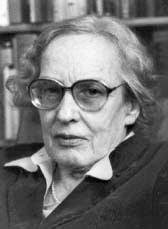
מארי-לואיז פון פרנץ
בין הארכיטיפים הנפוצים ניתן למצוא את זה של הגיבור, הלוחם, המורה, האם, הילד, ועוד. הארכיטיפים מופיעים במגוון של צורות, כולל דמויות במיתולוגיה, באמנות בדת בסיפורים, בסמלים, ובטקסים ובמיתוסים שונים.
הפסיכולוג קרל גוסטב יונג [בתחילת המאה ה-20] ראה בארכיטיפ תבנית מנטלית אנושית שבאה לידי ביטוי בתחומים רחבים.
על פי התאוריה האנליטית של יונג, קיימים מספר ארכיטיפיים מרכזיים:
אגו – ארכיטיפ ההסתגלות למציאות ומקור הזהות.
הצל – הצד הנחות והלא רצוי באישיותנו, שאין אנו מוכנים להודות בקיומו. ה"חלק האפל", המאכלס את היצרים והרגשות הפרימיטיביים הקיימים בנו.
הפרסונה – המסכה אותה אנו חובשים בהתאם לדרישות הסביבה והחברה. האישיות החברתית, המסתירה את ה"אני האמיתי" -.
האנימה – היסוד הנשי המצוי בגברים.
האנימוס – היסוד הגברי בנשים,.
העצמי – המקנה לאישיות אחידות, שיווי משקל ויציבות.
ארכיטיפים נוספים הם: דמות האם, הילד, אלוהים, אמא אדמה, הגיבור, הזקן, החכם, נזיר, מניפולטור,מטפלת, מלך, מלכה, מנטור, זונה, עריץ ועוד.
להלן שתי הערות בהקשר לתיאוריה היונגיאנית
א] על פי אריק גודווין הרי שמאז שיונג הניח כי הארכיטיפ הינו מבנה א-פריורי בתוך הנפש הוא הואשם ללא הרף ב"למרקיאניזם" וביקורת נמתחה על הנחתו כי הארכיטיפים קיימים כמבנים קודמים. לאחרונה, עם הופעת המחקר הגנטי ופרויקט הגנום האנושי, הרעיון שמבנים פסיכולוגיים יכולים להיות מולדים נתקל בביקורת חריפה עוד יותר אפילו במחשבה היונגיאנית. נראה שיש כיום קונצנזוס הולך וגובר כי הרעיון של יונג על מבנים פסיכולוגיים מולדים היה מוטעה, וכי אולי יש לנטוש את הארכיטיפ ככזה לטובת תיאוריות התפתחותיות יותר של הנפש.
אריק גודווין
Erik Goodwyn. Approaching archetypes: reconsidering innateness. 2010 Sep;55(4):502-2. J Anal Psychol
ב] המושג Dialogical Self [DS] הוסף בשנות ה90 של המאה העשריםעל ידי מחברים אחדים לגוף התיאוריה היונגיאנית
הגדרה ממצת לכך נתנו הוברט הרמנס וחבריו שהגדירו את ה"סלף הדיאלוגי" כריבוי דינמי של עמדות מוצהרות של דושיח פנימי מורחב של הנפש הכולל דמויות אקטואליות בעולם החברתי ואף דמויות מדומיינות הקשורות באופן הדוק לדמויות האקטואליות"
התיאוריה של "העצמי הדיאלוגי" של הוברט הרמנס רואה את העצמי לא כישות אחת, אלא "כחברת תודעה" המורכבת מ"עצמיים רבים" או במילים אחרות מדמויות עצמי רבות. הוא קורא לעמדות העצמי הללו עמדות -I, [האות I באנגלית מלשון "אני"] הנמצאות בדיאלוג מתמיד. כאשר כל עמדת I תורמת את האופן שבה היא רואה וחשה את עצמה והעולם. הרמנס השתמש בדימוי של במה ושחקנים לתאר את יחסי הגומלין של עמדות I ב"עצמי הדיאלוגי". לעיתים בנסיבות מסויימות עלול להווצר עימות ב"אני הדיאלוגי" של האדם כאשר עמדות ה-I ו מבקרות ונלחמות זו בזו, עמדות אלו עלולות להיות במקרים מסויימים של אנשים אחרים – החולקים את דעותיהם האמיתיות או המדומיינות עד ליצירת דיאלוגים שליליים העלולים לעורר תחושות של ספק וחרדה.
מושג זה מאפשר הרחבה של הטיפול היונגיאני לא רק לארכיטיפים אלא גם לדמויות אקטואליות ריאליות והיבטיהן המדומיינים כאשר יתכן כי לעיתים הדמויות המדומיינות הינן נגזרות של הדמויות הארכיטיפיות ובדרך כלל הדמויות הריאליות נמצאות בחזית לעומת הדמויות המדומיינות והקשרן האפשרי לארכיטיפיים שהן יותר ברקע.
Hubert Hermans
מהם אפוא ההבדלים בין בדמויות הארכיטיפיות בחיי הנפש והטיפול היונגיאני לעומת וRGFT
בניגוד לתפיסת יונג לגבי הארכיטיפיים שהם ייצוגים קבועים מדורי דורות וזהים אצל כל בני האדם. בRGFT התפיסה קשורה בעבר ההיסטורי [של עשרות שנים בלבד] של האדם המסויים, בהדמויות המופנמות של אותו אדם הקשורות בדרך כלל בעבר זה ובהתפתחותו הייחודית. מצד שני גם כאן יש תפיסה אבולוציונית מסויימת המתייחסת להתפתחות סוגים שונים של "עצמי " עם ההיבטים הדומים אצל בני אדם ככלל. בניגוד לתפיסת יונג המתייחסת לארכיטיפיים ללא התייחסות לזמן הווצרותם או לנסיבות שגרמו להווצרותם ב RGFT הטיפוסים השונים של "העצמיים" הדומיננטיים מקורם בתקופת האדם הקדמון כשכל אחד מעצמיים אלו נובע מהתפקידים השונים במערך השבטי למשל "מנהיג השבט" "הצייד" "השמאן" "שומר האש" "המלקטת" וכד'.
RGFT מתייחס לתקופת האדם הקדמון השבטי כמקור להווצרותם של הפרוטוטיפיים [דוגמא ל.., או אבטיפוס] [בניגוד לארכיטיפיים שזה דפוסים קדומים] של העצמיים הדומיננטים כיון שזאו הייתה התקופה בה התגבשו לראשונה התנאים של חיברות ובה נוצרו גם המבשרים הראשונים של השפה.
לבסוף RGFT מסתובב כולו סביב התפיסה החברתית.
ואילו מהם ההבדלים בין Dialogical Self ובין RGFR
ב Dialogical Self המושג המרכזי הינו עצמי אחד כשההתייחסות היא שהעצמי נתפס בצורה מורכבת יותר וכולל מגוון חלקים שנובעים מהאינטרקציות עם הדמויות השונות אלו המציאותיות ואלו המדומיינות בניגוד לכך בRGFT התפיסה הבסיסית אינה של עצמי אחד אלא של עצמיים מרובים כשכל עצמי קיים בזכות עצמו עם היסטוריה והווצרותית משלו ומספר מאפיינם כמו היבטים רגשיים, עמדות, צורות התנהגות ועוד.
להתראות בשיחה הבאה,
דר' איגור סלגניק ופרופ' יוסי לוין
נכתב ע"י פרופ' לוין וד"ר סלגניק
שלום לקוראינו היקרים,
בשיחה זו נרחיב אודות השיטה המכונה "דיאלוג קולי" ובאנגלית VOICE DIALOGUE [VD] ונשווה אותה לשיטתנו "טיפול ממוקד בקבוצת ייחוס" ובאנגלית Group Reference Focused Therapy [RGFT] תוך שנעמוד על קווי הדמיון והשוני בין שתי השיטות.
VD [שיטה שפותחה על ידי האל וסידרה סטון] רואה את הנפש האנושית כמורכבת באופן טבעי מדמויות רבות שניתן לכנותן ׳דמויות-משנה, תת אישיויות, עצמיים [עצמי ברבים] או סלפים [SELVES] ועוד. לכל דמות תת אישיות מובחנת משלה הכוללת רצונות, דחפים, צרכים, יכולות, זווית ראייה ורגישויות.
על פי גישה זו, כל הדמויות קיימות אצל כל בני האדם ולו כגרעיני התהוות, אולם אצל אנשים שונים, יבואו לידי ביטוי דמויות אלו בדרכים ובעוצמות שונות. ככלל זוהי שיטה העוזרת למטופל להיות מודע למגוון תת האישיויות שלו [: SELVES "סלפים"] ואיך
באופן הכרתי לבחור בין אלו שיגלו יעילות בהתפתחותו לאלו שיראו פחות יעילות ואף מעצור בחייו. הבסיס התיאורטי של VD קשור אפוא לפסיכולוגיית הסלף [העצמי] ובנוסף לפסיכולוגיה של ה AWARE EGO PROCESS , מושג שנגדיר בהמשך.
מחברים אלט זיהו שני סוגים עיקריים של תת-אישיויות – "עצמיים" ראשוניים [primary selves] ועצמי מודרים [disowned selves]. עצמיים ראשוניים מתייחסים לקבוצת העצמי הדומיננטיים המגדירים את אישיותו של הפרט ושולטים בחייו של אותו אדם. קבוצה זו מכונה האגו הפועל [operating ego] . העצמי המודרים הם אותם תת-אישיות השווים מבחינות מסוימות ומנוגדים מאחרות לעצמי הראשוני. למרות שיש ערכים סותרים, הן העצמיים הראשוניים והן העצמיים המודרים נחשבים כתורמים להישרדותו, לכישוריו החברתיים ולרווחתו הכללית של הפרט. מחברי השיטה מדגישים את החשיבות של התייחסות לכל אחד מהעצמיים בכבוד במהלך הטיפול.

האל וסידרה סטון
קרא עוד »
נכתב ע"י פרופ' לוין וד"ר סלגניק
Hello to our dear readers,
In this conversation we will look at the method known as "Voice Dialogue" (VD) and compare it to our method "Reference Group Focused Therapy” (RGFT) while focusing on the similarities and differences between the two methods.
VD (a method developed by American Jungian psychologists Hal and the Sidra Stone) sees the human psyche as naturally composed of many characters which they call 'sub-characters, sub-personalities, plural selves”, and more. Each character has its own distinct sub-personality that includes desires, impulses, needs, abilities, point of view and sensitivities.
According to this approach, all figures exist in all human beings, however in different people, these figures will be expressed in different ways and intensities. In general, this is a method that helps the patient to be aware of his variety of sub-personalities and how to consciously choose between those who will be effective in his development and those who will be counter-productive. The theoretical basis of VD is therefore related to the psychology of the Self and in addition to the “Aware Ego Process” concept that we describe further on.
The authors identified two main types of sub-personalities – “primary selves” and “disowned selves”. Primary selves refer to the dominant group of selves that define the personality of the individual and control the life of that person. This group is called the “operating ego”. The “disowned self” is the group of “sub-personalities” that are equal in some respects and opposite to the primary self. Although there are conflicting values, both the primary selves and the disowned selves are considered to contribute to the individual's survival, social skills and general well-being. The authors of the method emphasize the importance of treating each self with respect during treatment.
Hal and Sidra Stone
קרא עוד »
נכתב ע"י פרופ' לוין וד"ר סלגניק
“A man is the world in its fullness" – there is nothing like this sentence to emphasize the connection between the environment in which man lives and his inner world. From the moment a person is born until his death he is subject to environmental influence. Like a sponge he absorbs some of the characteristics of the significant people in his life. Each of these characters, known as the Reference Group (RG), actually shapes us, our attitudes, our emotional world, and ultimately our behavior as well.

These groups can influence us directly, with the greater social impact if the related RG is perceived as a more significant one. It can also influence us in a more complex way that is not immediately recognizable: when important reference groups undergo an internalization process and become an integral part of a person and operate within us even when the original reference groups no longer exist. Some of these effects, without permeating the consciousness, make us a kind of a "robot" performing a scenario that is not ours, according to the "software" written by other people who have now become our inner characters and an integral part of our world.
The many conflicts that take place between these inner characters themselves and, then, between these characters and the person’s contemporary reference groups can, at worst, cause a person to go through mental crisis up to the degree of a real mental disorder.
Most mental disorders start or worsen due to the stressful situations. It turned out that a significant proportion of these situations occur in a context of the social groups to which a person belongs.
The Reference Group Focused Therapy – RGFT – ( see previous conversations) – sets as one of its important goals to bring to consciousness the impact of a social influence upon a person most of which a person is unaware of. RGFT allows a patient to better understand the psychic forces at work within him and facilitates a better adaptation to the society in which he lives. The treatment is based on a number of theories that originate in social psychology, in addition to theories of object relations, and some others which are described below.
RGFT can be applied to patients with diverse mental problems, such, for example, as Adjustment Disorder, Phobias, Obsessive-Compulsive Disorder, and others. The method is suitable for different age groups, including also the third age where the collapse of the support system i.e, reference groups, becomes a major problem.
קרא עוד »
נכתב ע"י פרופ' לוין וד"ר סלגניק
"כי האדם עולם ומלואו" – אין כמו המשפט הזה כדי להבליט את הקשר בין הסביבה שבה חי האדם ועולמו הפנימי. מרגע היוולדו של האדם ועד מותו הוא נתון להשפעה סביבתית. בדומה לספוג, הוא סופג את הדמויות של האנשים המשמעותיים בחייו. כל אחת מהדמויות האלה המכונה קבוצת השתייכות, למעשה מעצבת אותנו, את עמדותינו, את עולמנו הרגשי ובסופו של דבר – גם את התנהגותנו.
הקבוצות הללו משפיעות הן באופן ישיר, עם השפעה חברתית גדולה יותר ככל שהקבוצה המשפיעה נתפסת כחשובה יותר, והן באופן מורכב יותר שלא ניתן לזהותו מיידית: קבוצות ההשתייכות החשובות עוברות תהליך הפנמה והופכות להיות חלק בלתי נפרד מהאדם ופועלות בתוכו גם כאשר קבוצות המקור כבר אינן קיימות יותר. חלק מההשפעות הללו, מבלי שזה מחלחל לתודעת האדם, הופכות אותו לעיתים למעין "רובוט" המבצע מלאכה שלא לו, וזאת על פי ה"תוכנה" שנכתבה על ידי אנשים אחרים שעכשיו הפכו לדמויות הפנימיות שלו ונהיו חלק מעולמו.
הקונפליקטים הרבים המתרחשים בין הדמויות הפנימיות האלה בינן לביו עצמן ולבין הקבוצות ההשתייכות העכשוויות של האדם עלולים במקרה הגרוע לגרום לאדם לעבור משברים נפשיים עד לדרגה של הפרעות נפשיות של ממש.
רוב ההפרעות הנפשיות מתחילות או מחמירות בעקבות מצבי דחק. התברר שחלק ניכר ממצבים אלה מתרחש על רקע של קבוצות החברתיות אליהן האדם משתייך.
הטיפול ב RGFT [REFERENCE GROUP FOCUSED TREATMENT] [ראה שיחות קודמות] מציב כאחת ממטרותיו החשובות להעלות לתודעה את ההשפעות החברתיות שהאדם נתון להן ושבחלקן לא מודעות. הטיפול מאפשר למטופל להבין בצורה טובה יותר את כוחות הנפש הפועלים בתוכו ולעזור להסתגלות טובה יותר לחברה שבה הוא חי. הטיפול מתבסס על מספר תיאוריות שמקורן בפסיכולוגיה החברתית ובנוסף לכך תיאוריות של יחסי אובייקט, ותיאוריות אחרות שנפרט בהמשך.
הטיפול ניתן ליישום בחולים עם בעיות נפשיות שונות ומגוונות לדוגמא, הפרעה הסתגלותית, פוביות, הפרעה כפייתית ואחרות,. השיטה מתאימה לקבוצות גיל שונות, כולל גם גיל השלישי שבו התמוטטות של מערכת התמיכה קרי, קבוצות השתייכות, הופכת לבעיה מרכזית.
קרא עוד »
נכתב ע"י פרופ' לוין וד"ר סלגניק
At the end of the previous blog we hinted that the treatment effectiveness in REFERENCE GROUP FOCUSED THERAPY (RGFT) that makes extensive use of internalized figures in our inner world, has contributed to the creation of the model of the Self, the one we metaphorically call the "Fabergé Egg of the Soul". In this conversation or session we will bring therapeutic examples of different types of problems or mental disorders in order to give a taste of what is happening in
.this type of a treatment
Here are some examples:
A] Fainting perceived as death
Fear belongs to the range of our basic emotions, just like sadness, joy, anger. But some of us are attacked by extreme fear whenever we encounter certain objects or situations. This is called phobia. Phobia is very common among us – it is estimated that between 9-18% of Americans suffer from various phobias, with the similar number in Israel’ while women are reported to suffer from phobias more than from any other mental disorder. Examples of phobias are countless – fear of flying, fear of traveling in an elevator, fear of enclosed spaces, fear of elevated places, fear of dental care, fear of crowds and more. Agoraphobia – fear of leaving home or another familiar place – can limit us to quite a marginal functioning.
There are a number of treatments that help people in these situations – among others we have different types of behavioral therapies and psychopharmacological treatment with antidepressants and antianxiety medications.
Here we discuss the treatment of REFERENCE GROUP FOCUSED THERAPY (RGFT) in a patient with particularly severe agoraphobia. Of course, the details of the patient's life were changed in a way that prevents any identification.
קרא עוד »
 פרופ' יוסף לוין הינו בעל ותק של למעלה מ-40 שנה בפסיכיאטריה. מטפל במגוון הפרעות, כולל מצבי חרדה ודכאון, ומצבי משבר ביחידים, בזוגות, ובמשפחות. פרופ' לוין מתגורר ומטפל באיזור המרכז והשרון (בתל אביב ובחריש).